The temptation
Every vendor in learning technology faces the same pull: add features, become the platform, own the relationship. A data layer that sits beside other systems is a harder story to tell. We chose it anyway.
The structural argument
Learning data is fragmented by forces that do not stop: mergers, procurement cycles, departmental autonomy, vendor specialization. Any platform that becomes the system of record is subject to those same forces and will one day be replaced. The organization's learning history should not depend on which platform is winning this year.
What neutrality lets us do
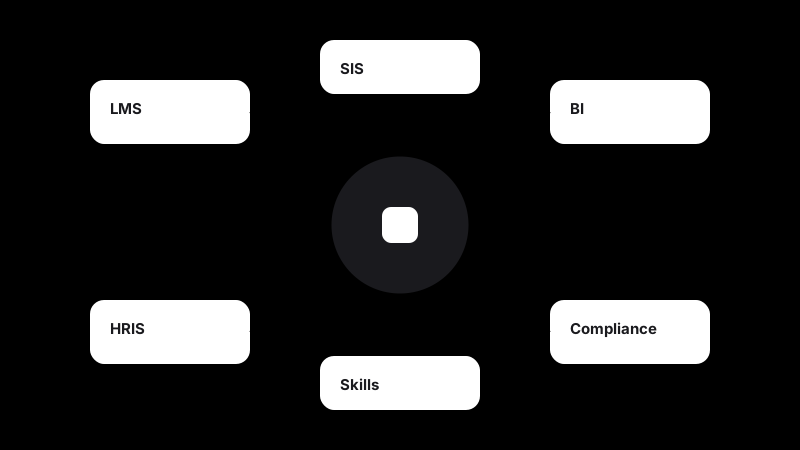
Because LearningUnify does not deliver learning, we have no reason to favour one source over another, to make migration away from anything harder, or to hold data hostage. We can connect to a competitor's LMS as readily as to any other. We can hand a complete, documented export back at any time. Our incentives align with the customer's, which is to keep records portable and governed.
What it means in practice
No rip-and-replace. The platforms you run stay. Their data becomes portable. When one is retired, its history remains queryable. When a new one arrives, it is one more connector. That is the whole product, and we intend to keep it that way.
More from the blog
Institutional memory should not depend on a vendor contract
Organizations remember through their records. When learning records live only inside platforms that get replaced every few years, the organization forgets.
Learn more →xAPI, exports and APIs: why lineage matters more than the connection method
Teams argue about which integration method is best. The more important question is whether you can trace every number back to where it came from.
Learn more →Why AI pilots in learning stall, and the inventory that unblocks them
It is rarely the model. Pilots stall because nobody can say what data exists, who owns it, whether it may be used and whether it is accurate.
Learn more →Ready to see your learning data in one place?
Tell us which systems you run and we will show how the platform connects, normalizes and preserves their records.